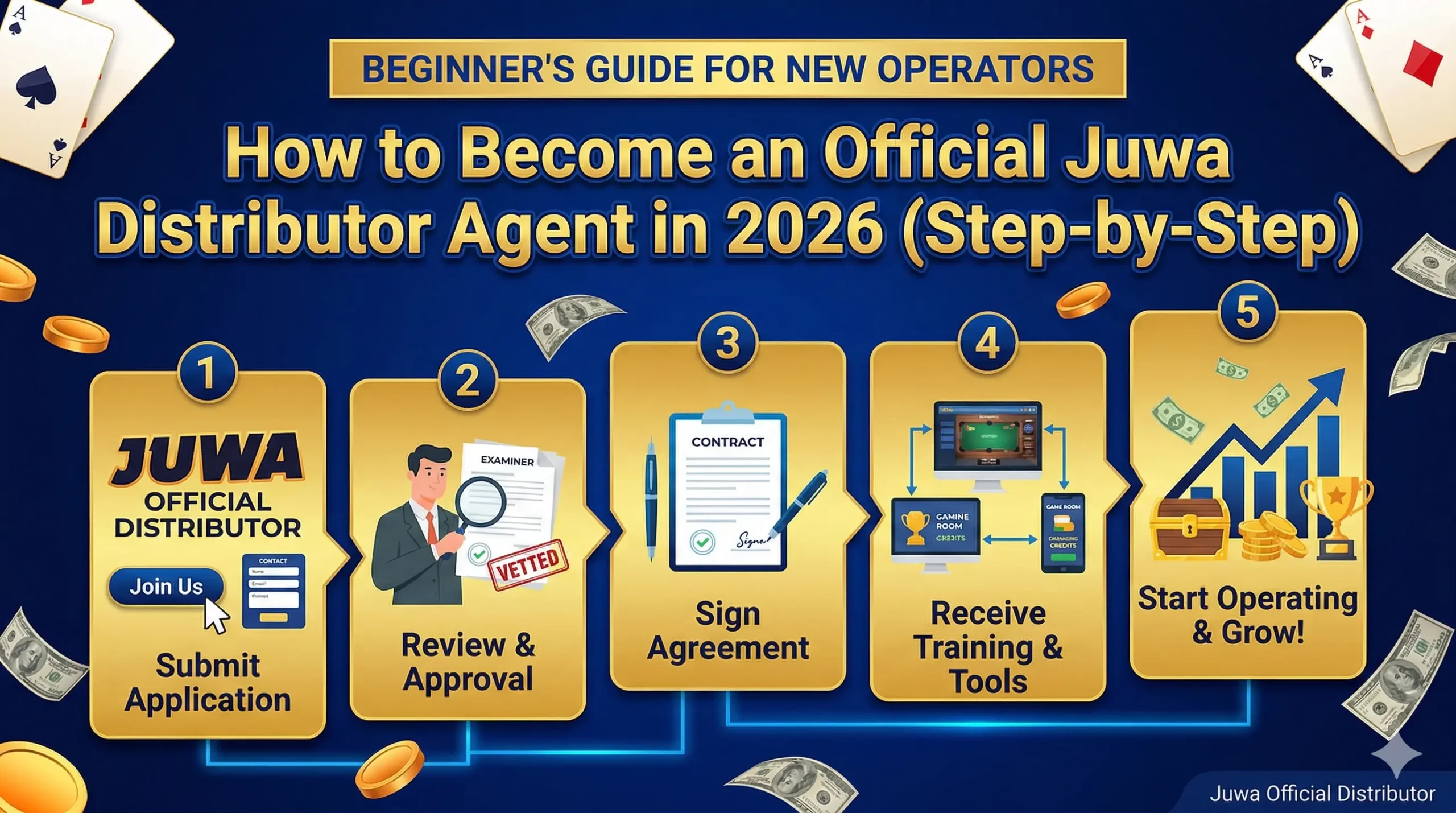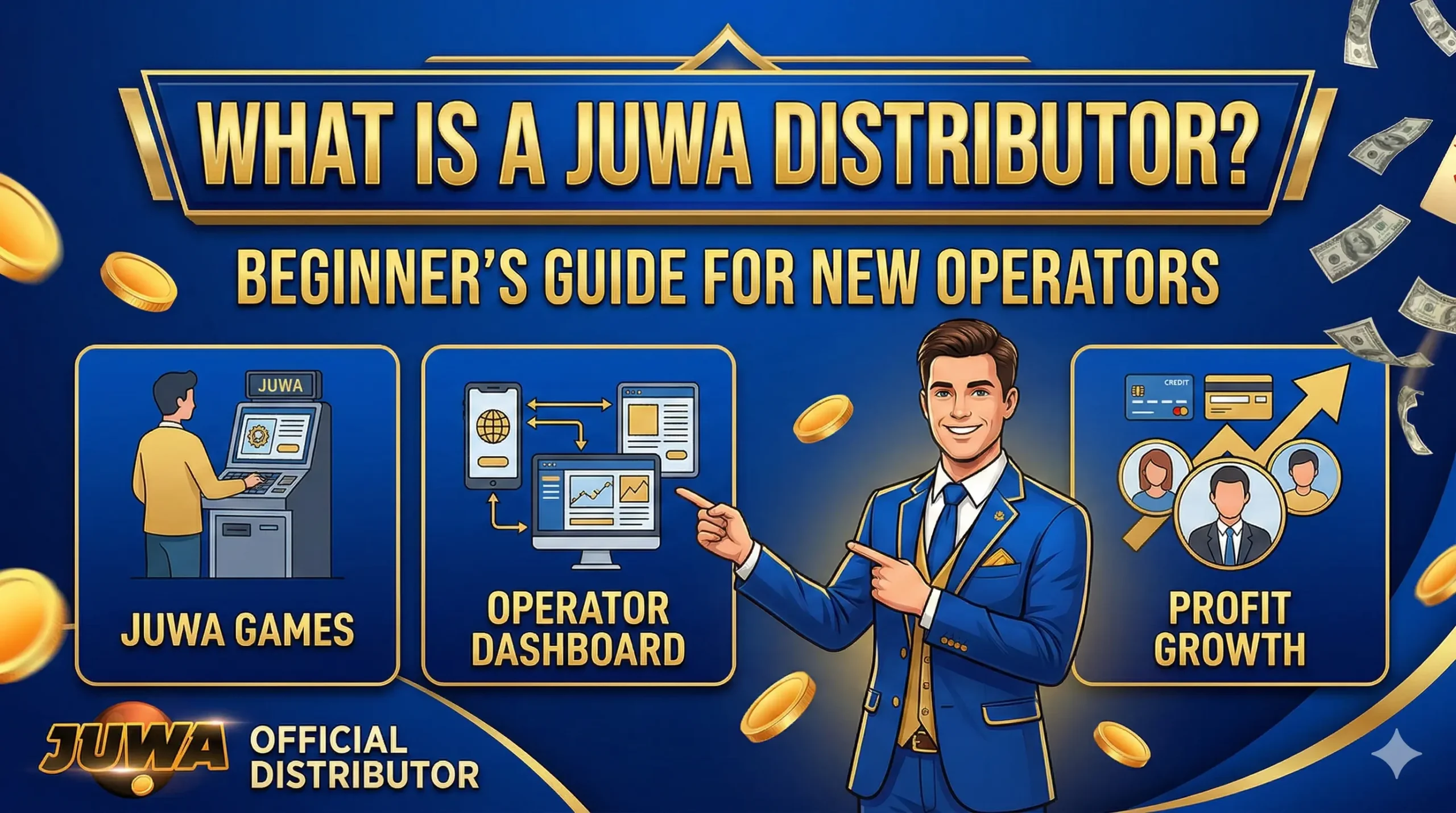
The online gaming industry has experienced extraordinary growth over the past several years, and platforms like Juwa have emerged as popular destinations for players seeking engaging sweepstakes and skill-based gaming experiences. As the player base expands, so does the demand for capable, knowledgeable operators who can connect players with the platform. This has led thousands of entrepreneurs to search for one very specific question: what is a Juwa distributor?
At its core, a Juwa distributor is an independent operator who partners with the Juwa platform to purchase gaming credits at wholesale prices and resell them to players — earning a margin on every transaction and building a sustainable business in the process. It is not an employment arrangement; it is an entrepreneurial opportunity with real responsibilities and real rewards.
Whether you are exploring this for the first time or seriously evaluating it as your next venture, understanding how the model works is essential before you invest a single dollar. Start by learning more about our official Juwa distributor program to see what the opportunity really entails.
Basic Definition and Role
A Juwa distributor functions as a middleman between the Juwa gaming platform and the end users — the players. In practical terms, this means the distributor buys credits from the platform at a wholesale rate and then sells those credits to players at a retail price. The difference between what they pay and what they charge is where the distributor’s earnings come from.
It is important to clarify what a Juwa distributor is not. They are not an employee of Juwa. They do not receive a salary, benefits, or a guaranteed income from the platform. Instead, they operate their own independent business, making their own decisions about marketing, customer service, pricing strategy, and growth. The platform provides the product (gaming credits and the underlying software), but the distributor controls their own destiny.
A useful analogy is the franchise or agency model. Think of a traditional franchise: the franchisor provides the brand, the product, and the operational framework, while the franchisee runs the day-to-day business and takes on the financial risk. Similarly, Juwa provides the platform infrastructure, and the distributor builds a business on top of it. Another useful comparison is an insurance agency: the agent doesn’t work for the insurance company directly, but sells its products to clients and earns commissions. The distributor occupies a similar role — autonomous, entrepreneurial, and accountable for their own results.
This distinction matters enormously. Because distributors are independent operators, they have the freedom to build their business the way they see fit — but they also bear the responsibility for compliance, customer management, and long-term sustainability.
How the Juwa Distributor Business Model Works
Understanding the revenue flow is essential to evaluating whether this model is right for you. The basic cycle works like this: the distributor deposits funds with the platform, receives a corresponding pool of gaming credits, and then distributes (sells) those credits to players. Players use the credits to engage with the games on the Juwa platform. When they want more credits, they return to the distributor. The cycle repeats.
The distributor’s margin comes from the spread between what they pay for credits wholesale and what they charge players at the retail level. Exact margins vary based on the distributor’s tier, volume, and negotiated terms, and no specific income figures should be assumed without doing thorough due diligence. However, the conceptual model is straightforward: buy low, sell at a premium that reflects the service and convenience you provide.
One of the most important concepts in this business model is recurring revenue. Unlike a one-time product sale, gaming credit distribution tends to generate repeat transactions. Players who enjoy the platform come back regularly, which means a distributor who builds a loyal player base benefits from consistent, ongoing revenue rather than having to find new customers for every transaction.
This is where the concept of lifetime player value becomes critical. A single player who returns weekly over months or years generates far more revenue than the initial transaction suggests. Smart distributors invest in player retention — keeping their customers happy, responsive, and engaged — because the long-term value of a loyal player base is the foundation of a profitable Juwa distribution business.
Volume also plays a role. Distributors who move larger quantities of credits often access better pricing tiers, improving their margins. This creates a natural incentive to scale the business thoughtfully over time.
Core Responsibilities of a Juwa Distributor
Running a successful distribution operation involves more than just buying and selling credits. Distributors take on a range of responsibilities that span business management, marketing, technology, legal awareness, and customer relations. Here is what you can expect to handle:
Credit Management & Pricing
The distributor must manage their credit inventory carefully — knowing how much to purchase, when to replenish, and how to price credits for their specific market. Pricing too high discourages players; pricing too low erodes margins. Finding the right balance requires market awareness and ongoing adjustment as conditions change.
Player Acquisition & Marketing
No distributor succeeds without players, and attracting players is entirely the distributor’s responsibility. This may involve social media marketing, word-of-mouth referrals, local promotion, or digital advertising depending on whether the distributor operates physically, online, or both. Effective marketers who can consistently bring in new players have a significant competitive advantage.
Technical & Backend Operations
Distributors need to be comfortable with the basic operational tools provided by the Juwa platform — managing accounts, processing credit transactions, troubleshooting common player issues, and keeping their backend organized. While the platform handles the core software, the distributor is responsible for their own operational hygiene: keeping records, managing their account balance, and ensuring smooth transaction processing.
Compliance & Basic Legal Awareness
This is perhaps the most important responsibility of all. The sweepstakes and online gaming space is subject to a complex and evolving regulatory environment that varies significantly by jurisdiction. Distributors must educate themselves on the applicable rules in their operating area, ensure their practices meet legal standards, and stay updated as regulations change. Failing to do so can expose the distributor to serious legal and financial risk.
Customer Service & Community Building
Players have questions, run into issues, and occasionally need help. The distributor is the first point of contact for all of this. Building a reputation for responsive, helpful service keeps players loyal and generates referrals. Distributors who invest in their player relationships — through timely responses, fair dispute resolution, and genuine engagement — tend to build stronger, more durable businesses.
Who Should Consider Becoming a Juwa Distributor?
The Juwa distributor model is not a one-size-fits-all opportunity. It suits certain types of operators much better than others. Here are four common profiles and an honest assessment of each:
Internet Café or Computer Lab Owners
If you already operate a physical location where people spend time on computers, adding a Juwa distribution component can be a natural extension of your existing business. You already have foot traffic, infrastructure, and a customer relationship in place. The main consideration is ensuring your jurisdiction permits sweepstakes gaming in your type of venue.
Existing Game Room Operators
Operators who already run physical game rooms or amusement venues are often well-positioned for this model. They understand gaming customers, have relevant operational experience, and may already have the compliance groundwork in place. For these operators, Juwa distribution can complement and diversify their existing revenue streams.
Online-Only Entrepreneurs
It is entirely possible to run a Juwa distribution business without a physical storefront. Online operators rely on digital channels — social media, messaging apps, and online communities — to acquire and serve players. This model offers flexibility and lower overhead, but requires strong digital marketing skills and a reliable online communication system.
Side-Hustle Seekers
Some people explore Juwa distribution as a part-time income opportunity alongside existing employment. This can work, but it requires honest self-assessment. The business demands time for marketing, player support, and credit management. Those expecting passive, hands-off income may be disappointed. However, for motivated individuals who treat it like a real business even on a small scale, it can grow into something more substantial over time.
Pros and Cons of Being a Juwa Distributor
Any serious business evaluation requires an honest look at both the upside and the downside. Here is a balanced assessment:
Pros:
- Recurring Revenue Potential — The repeat-transaction nature of gaming credit distribution means that a well-built player base generates ongoing income rather than one-time sales.
- Scalable Business Model — As you grow your player base and increase credit volume, your earnings can scale accordingly. There is no artificial ceiling on what a motivated distributor can build.
- Remote and Flexible Operation — Online distributors in particular can manage their business from anywhere with an internet connection, offering significant lifestyle flexibility.
- Low Physical Overhead — Compared to traditional brick-and-mortar retail businesses, a Juwa distribution operation (especially online) requires minimal physical infrastructure.
- Access to an Established Platform — Rather than building a gaming platform from scratch, distributors leverage Juwa’s existing software, brand recognition, and player familiarity.
Cons:
- Regulatory Risk — The legal landscape for sweepstakes and online gaming is complex and varies by location. Regulatory changes can materially affect your ability to operate.
- Upfront Capital Requirement — Purchasing wholesale credits requires an initial investment. New distributors must be prepared to commit capital before seeing returns.
- Customer Support Burden — Distributors are responsible for handling player issues, which can be time-intensive and occasionally stressful, especially as the player base grows.
- Income Is Not Guaranteed — Unlike a salaried position, your earnings are directly tied to your activity and performance. A slow month means slower revenue.
- Competitive Market — As the model grows in popularity, some markets may see increased competition among distributors, putting pressure on player acquisition and pricing.
How to Get Started the Right Way
If you have read this far and believe this opportunity aligns with your goals and capabilities, here is a high-level roadmap for getting started responsibly:
1. Research thoroughly. Before committing any money, invest significant time in understanding the industry, the platform, and the competitive landscape in your intended market. The more informed your starting point, the better your decisions will be.
2. Conduct a legal review. This step is non-negotiable. Consult with an attorney familiar with sweepstakes or gaming law in your jurisdiction. Confirm that your intended business model is compliant with local, state, and federal regulations before you begin.
3. Choose your operating model. Decide whether you will operate online, in-person, or through a hybrid approach. Each has different requirements, costs, and growth trajectories. Choose the model that aligns with your resources and strengths.
4. Partner with a reliable distributor provider. The quality of your upstream partner matters enormously. Working with an established, reputable source for your credits and platform access reduces operational risk and gives you the support infrastructure you need to succeed.
5. Launch small and scale. Resist the urge to go all-in immediately. Start with a manageable investment, learn what works in your specific market, build your player base, and scale up as your confidence and revenue grow.
Ready to take the next step? Connect with an official Juwa distributor agent team to get answers to your specific questions and explore what getting started actually looks like.
Conclusion
A Juwa distributor is an independent entrepreneur who purchases gaming credits wholesale from the Juwa platform and resells them to players, building a recurring-revenue business based on the margin between cost and retail price. It is a legitimate business opportunity with real earning potential — but also one that demands legal awareness, marketing skill, capital, and consistent effort.
The operators who succeed in this space are those who approach it seriously: they do their legal homework, invest in their player relationships, manage their operations professionally, and treat this like the real business it is. Impulsive, uninformed entry rarely ends well.
If you are ready to explore this opportunity with the seriousness it deserves, visit juwaofficialdistributor.com to learn more, ask questions, and find out how to take your first step.